In a world that constantly demands our attention and energy, finding an anchor for peace and well-being has become more crucial than ever. Enter yoga – an ancient practice that transcends mere physical exercise, offering a profound pathway to holistic health. For thousands of years, yoga has guided countless individuals toward greater strength, flexibility, mental clarity, and inner peace. Whether you’re seeking to de-stress, improve your physical fitness, or deepen your spiritual connection, the practice of yoga holds an abundance of transformative benefits waiting to be discovered. This comprehensive guide will explore the multifaceted world of yoga, from its historical roots to its modern applications, helping you understand how it can enrich your life.
The Ancient Roots and Modern Relevance of Yoga
Yoga is much more than just a series of physical postures; it’s a comprehensive system for personal growth and holistic well-being. Originating in ancient India, its philosophy and techniques have evolved over millennia, yet its core principles remain timeless and profoundly relevant today.
A Journey Through Time: Understanding Yoga’s Origins
The word “yoga” itself comes from the Sanskrit root “yuj,” meaning to yoke or unite. This signifies the ultimate goal of yoga: to unite the individual consciousness with the universal consciousness. Its earliest mentions date back over 5,000 years, found in ancient Indian texts like the Vedas. The classical period of yoga is often associated with Patanjali’s Yoga Sutras, a foundational text compiled around 200 CE, which outlines the “Eight Limbs of Yoga” – a practical framework for ethical conduct, physical health, and spiritual realization.
- Vedic Yoga (Pre-classical): Focus on rituals, ceremonies, and ancient hymns.
- Classical Yoga: Patanjali’s Ashtanga (Eight-Limbed) Yoga, emphasizing meditation and ethical living.
- Post-Classical Yoga: Development of Hatha Yoga, focusing on physical postures (asanas) and breath control (pranayama) to prepare the body for meditation.
Understanding this lineage helps us appreciate yoga’s depth and how it has adapted while retaining its essence.
Beyond the Poses: Yoga as a Holistic Practice
While modern Western yoga often emphasizes the physical aspects (asanas), the true practice encompasses a much broader spectrum. It’s a holistic system designed to harmonize the body, mind, and spirit.
A complete yoga practice typically includes:
- Asanas (Physical Postures): Designed to strengthen, stretch, and purify the body. Examples include Downward-Facing Dog (Adho Mukha Svanasana) for lengthening the spine and Warrior II (Virabhadrasana II) for building strength.
- Pranayama (Breathing Techniques): Regulating the breath to influence energy levels and calm the nervous system. Techniques like Nadi Shodhana (Alternate Nostril Breathing) can balance energy, while Ujjayi (Victorious Breath) creates internal heat and focus.
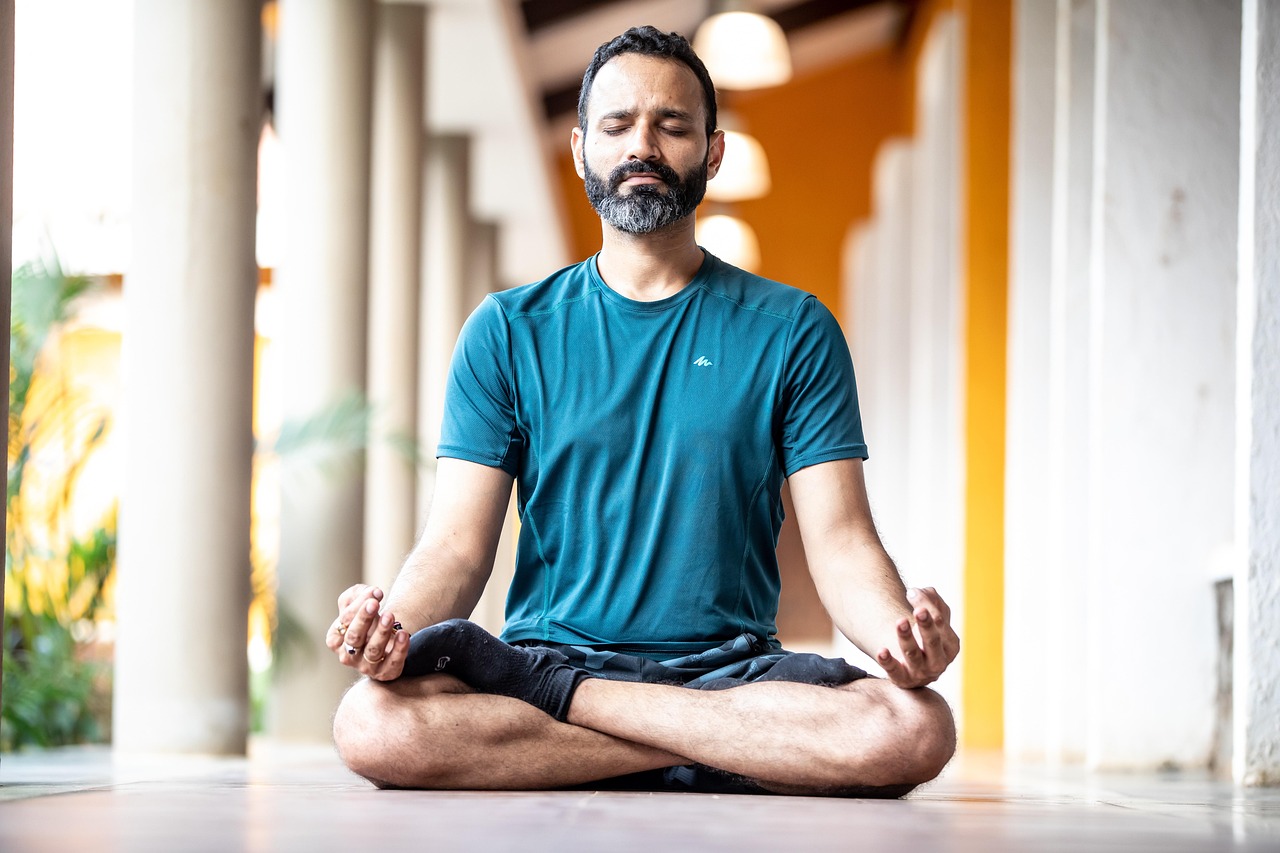
- Meditation (Dhyana): Cultivating focused attention and inner stillness to achieve mental clarity and emotional peace. This can range from simple breath awareness to guided visualizations.
- Ethics and Lifestyle (Yamas & Niyamas): Moral codes for living a purposeful and harmonious life, such as non-violence (Ahimsa) and contentment (Santosha).
Actionable Takeaway: Don’t limit your understanding of yoga to just the physical poses. Explore pranayama and meditation to experience its full potential for holistic wellness.
Unlocking a World of Wellness: The Profound Benefits of Yoga
The practice of yoga offers a treasure trove of benefits, impacting every facet of your being. From tangible physical improvements to subtle shifts in mental and emotional states, consistent practice can lead to a healthier, happier, and more balanced life. In fact, studies show that millions worldwide incorporate yoga into their wellness routines, citing significant improvements in health markers.
Physical Fortification: Strength, Flexibility, and Balance
Yoga is a remarkably effective way to enhance your physical capabilities without the high impact often associated with other forms of exercise. The deliberate movements and sustained holds in asanas build lean muscle mass, increase range of motion, and improve proprioception (your body’s awareness in space).
- Increased Flexibility: Poses like Janu Sirsasana (Head-to-Knee Forward Bend) and Supine Spinal Twist gently lengthen muscles and connective tissues, improving joint mobility.
- Enhanced Strength: Holding poses like Chaturanga Dandasana (Four-Limbed Staff Pose) and Plank Pose builds core strength and upper body endurance.
- Improved Balance: Standing poses such as Vrksasana (Tree Pose) and Garudasana (Eagle Pose) challenge and refine your sense of balance, crucial for fall prevention and overall stability.
- Better Posture: Strengthening core muscles and lengthening the spine through practices like Tadasana (Mountain Pose) can significantly correct postural imbalances.
- Pain Relief: Regular practice can alleviate chronic back pain, neck stiffness, and other common discomforts by increasing circulation and strengthening supporting muscles.
Practical Example: If you suffer from lower back pain, gentle cat-cow stretches and child’s pose can provide immediate relief, while consistent practice of core-strengthening poses like Boat Pose (Navasana) can offer long-term prevention.
Mental Clarity and Emotional Equilibrium
Beyond the physical, yoga is a powerful tool for cultivating mental resilience and emotional stability. The emphasis on breath and mindfulness brings you into the present moment, reducing the mind’s tendency to dwell on past regrets or future anxieties.
- Stress Reduction: Yoga activates the parasympathetic nervous system, the body’s “rest and digest” mode, countering the effects of chronic stress. This lowers cortisol levels and promotes relaxation.
- Improved Focus and Concentration: The meditative aspect of yoga trains the mind to stay present, enhancing attention span and cognitive function.
- Reduced Anxiety and Depression: Regular yoga practice has been shown to reduce symptoms of anxiety and depression by altering brain chemistry and promoting a sense of calm.
- Enhanced Mood: Physical activity, combined with mindful breathing, releases endorphins and can elevate your overall mood and sense of well-being.
- Greater Self-Awareness: By tuning into your body and breath, you develop a deeper understanding of your physical and emotional states, allowing for more conscious responses to life’s challenges.
Actionable Takeaway: Incorporate just 10-15 minutes of mindful breathing or a short meditation into your daily routine to immediately experience a reduction in stress and an improvement in focus.
Holistic Health: Integrating Body, Mind, and Spirit
The true power of yoga lies in its holistic approach. It addresses health not as the absence of disease, but as a state of complete physical, mental, and spiritual well-being. By integrating all these elements, yoga fosters a profound sense of inner harmony.
- Better Sleep Quality: Calming the nervous system through yoga can significantly improve sleep patterns, helping you fall asleep faster and experience deeper, more restorative rest.
- Improved Digestion: Twisting poses and abdominal compressions can stimulate digestive organs, aiding in detoxification and promoting healthy bowel function.
- Boosted Immune System: Reduced stress and improved circulation contribute to a stronger immune response, making your body more resilient to illness.
- Increased Energy Levels: Paradoxically, while yoga can be relaxing, it also invigorates the body, improving circulation and oxygenation to enhance vitality.
- Spiritual Connection: For many, yoga offers a pathway to connect with a deeper sense of purpose and meaning, fostering inner peace and spiritual growth regardless of religious affiliation.
Practical Example: If you struggle with insomnia, try a gentle evening routine of Legs-Up-The-Wall pose, a supine twist, and a few minutes of deep belly breathing before bed.
Finding Your Flow: Exploring Diverse Yoga Styles
Just as there are many paths to wellness, there are numerous styles of yoga, each with its unique emphasis, pace, and benefits. Exploring different styles can help you find the practice that best resonates with your body, mind, and current goals.
Energetic Flows: Vinyasa, Ashtanga, Power Yoga
These styles are characterized by dynamic movements, often synchronized with the breath, creating a flowing and invigorating experience. They are excellent for building strength, endurance, and cardiovascular health.
- Vinyasa Yoga: Often called “flow yoga,” Vinyasa sequences seamlessly link poses together, often with creative transitions. Classes vary widely by instructor, offering a fun and dynamic practice. Example: A typical Vinyasa class might involve sun salutations, warrior sequences, and balancing poses, moving briskly from one to the next.
- Ashtanga Yoga: A highly structured and physically demanding style with a specific sequence of poses practiced in the same order. It’s known for its rigorous nature and emphasis on drishti (gaze point) and bandhas (energy locks). Example: The Primary Series of Ashtanga is a set sequence that practitioners memorize and master over time.
- Power Yoga: A more fitness-oriented and athletic style that draws inspiration from Ashtanga but often without the strict sequence. It emphasizes strength, flexibility, and stamina. Example: Expect challenging core work, arm balances, and powerful standing sequences designed to make you sweat.
Actionable Takeaway: If you’re looking for a challenging workout that also incorporates mindfulness, try a Vinyasa or Power Yoga class at your local studio or online.
Gentle & Restorative: Hatha, Yin, Restorative Yoga
These styles focus on slower, more deliberate movements, longer holds, and deep relaxation. They are ideal for beginners, those recovering from injuries, or anyone seeking to unwind and release tension.
- Hatha Yoga: A foundational style that encompasses many physical yoga practices. A typical Hatha class involves holding individual poses for several breaths, focusing on alignment and basic postures. It’s a great starting point for learning the fundamentals. Example: A Hatha class might focus on mastering Triangle Pose (Trikonasana) or Tree Pose with detailed instructions on proper alignment.
- Yin Yoga: A slow-paced style where poses are held for longer durations (3-5 minutes or more), targeting the deep connective tissues (fascia, ligaments, joints) rather than muscles. It’s practiced with cold muscles to access these deeper tissues. Example: A deep hip opener like Pigeon Pose or Butterfly Pose held for an extended period, allowing gravity to do the work.
- Restorative Yoga: Focused entirely on relaxation and release, utilizing props like blankets, bolsters, and blocks to support the body in comfortable, passive stretches. The aim is deep relaxation and stress reduction. Example: Supported Child’s Pose or Supported Supta Baddha Konasana (Reclined Bound Angle Pose) held for 10-20 minutes, allowing complete surrender.
Practical Example: If you feel constantly stressed or have tight hips from sitting, a weekly Yin or Restorative class can be profoundly beneficial for releasing tension and calming the nervous system.
Specialized Practices: Kundalini, Bikram, Prenatal Yoga
Beyond the main categories, several specialized yoga styles cater to specific needs or follow distinct philosophical traditions.
- Kundalini Yoga: Focuses on awakening “Kundalini energy” at the base of the spine through a combination of physical postures, dynamic breathing, chanting, meditation, and mudras (hand gestures). It’s often described as the “yoga of awareness.”
- Bikram Yoga: A sequence of 26 specific postures and two breathing exercises performed in a room heated to 105°F (40°C) with 40% humidity. The heat is said to aid in detoxification and increase flexibility.
- Prenatal Yoga: Tailored specifically for expectant mothers, focusing on gentle stretches, strengthening poses, breathing techniques for labor, and relaxation. It helps alleviate common pregnancy discomforts and prepares the body for childbirth.
Actionable Takeaway: Don’t be afraid to experiment with different styles. Many studios offer introductory packages, allowing you to sample various classes and find what feels right for you.
Embarking on Your Yoga Journey: A Beginner’s Guide
Starting yoga can feel intimidating with its seemingly complex poses and Sanskrit names, but it’s a practice accessible to everyone, regardless of age, fitness level, or previous experience. The most important step is simply to begin.
First Steps: What You Need and Where to Start
You don’t need much to start, and the initial investment can be minimal. The key is comfort and an open mind.
- What You Need:
- Comfortable Clothing: Wear something that allows for a full range of motion without restricting movement.
- Yoga Mat: While not strictly necessary for every practice, a mat provides cushioning and grip. Many studios offer rentals for beginners.
- Props (Optional but Helpful): Blocks, straps, and bolsters can assist in achieving poses safely and comfortably, especially for those with limited flexibility.
- Where to Start:
- Beginner Classes: Look for “Intro to Yoga,” “Beginner Hatha,” or “Gentle Yoga” classes at local studios. These classes focus on fundamental poses, proper alignment, and breath work.
- Online Resources: Platforms like YouTube, specialized yoga apps, or online studios offer a wealth of beginner-friendly classes you can do from home. This is a flexible and often cost-effective option.
- Private Sessions: If you have specific health concerns or prefer personalized guidance, a private instructor can tailor a practice to your individual needs.
Practical Example: Begin with a free 20-minute “Yoga for Beginners” video on YouTube. Focus on fundamental poses like Cat-Cow, Downward Dog, and Child’s Pose to get a feel for the movements and breathing.
Common Beginner Poses and Breathwork Basics
Familiarizing yourself with a few foundational poses and basic breath techniques will make your initial experiences more comfortable and rewarding.
Essential Beginner Poses:
- Tadasana (Mountain Pose): The foundation of all standing poses, teaching proper alignment and grounding.
- Adho Mukha Svanasana (Downward-Facing Dog): A full-body stretch that lengthens the spine, hamstrings, and calves while strengthening the arms and shoulders.
- Balasana (Child’s Pose): A gentle resting pose that calms the brain and helps relieve stress and fatigue.
- Marjaryasana-Bitilasana (Cat-Cow Pose): A flowing movement that warms up the spine and connects breath to movement.
- Savasana (Corpse Pose): The final resting pose, crucial for integrating the benefits of the practice and promoting deep relaxation.
Basic Breathwork (Pranayama):
- Diaphragmatic Breathing (Belly Breathing): The most fundamental and calming breath. Inhale deeply through the nose, feeling your belly expand; exhale slowly through the nose, feeling your belly draw in.
- Ujjayi Breath (Victorious Breath): A gentle constriction at the back of the throat creates an oceanic sound, helping to focus the mind and generate internal heat.
Actionable Takeaway: Practice belly breathing for a few minutes each day, even off the mat, to improve lung capacity and calm your nervous system. Master a few basic poses before attempting more complex ones.
Setting Intentions and Listening to Your Body
Yoga is a journey of self-discovery, not a competition. Approaching your practice with intention and mindfulness is crucial for safety and long-term enjoyment.
- Set an Intention (Sankalpa): Before you begin, take a moment to consider why you’re practicing. Is it for stress relief, strength, or peace? This helps focus your mind.
- Listen to Your Body: Never push into pain. Yoga is about finding a comfortable edge, not forcing yourself into extreme flexibility. Modifications are always available and encouraged.
- Patience and Consistency: Progress in yoga is gradual. Be patient with yourself and celebrate small improvements. Regular, even short, practices are more beneficial than sporadic long ones.
- Embrace Imperfection: There’s no such thing as a “perfect” pose. Focus on the sensation and alignment within your own body, not on how a pose looks.
Practical Example: If a pose feels uncomfortable, back off slightly, use a prop (like a block under your hand in Triangle Pose), or choose a gentler variation. For example, instead of a full Forward Fold, bend your knees deeply.
Integrating Yoga into Your Daily Life
The true power of yoga extends far beyond the time you spend on your mat. It’s a philosophy and a set of tools that can profoundly enhance your everyday experiences, bringing mindfulness, calm, and strength to every moment.
Beyond the Mat: Mindfulness in Everyday Moments
Yoga teaches us to be present and aware. You can carry this mindfulness into all aspects of your life, transforming routine activities into opportunities for reflection and calm.
- Mindful Eating: Pay attention to the taste, texture, and smell of your food. Chew slowly and savor each bite.
- Conscious Breathing: Throughout your day, take moments to notice your breath. A few deep, conscious breaths can instantly reduce stress during busy or challenging situations.
- Walking Meditation: Pay attention to the sensation of your feet on the ground, the rhythm of your steps, and the sights and sounds around you without judgment.
- Mindful Listening: When conversing with others, truly listen without interrupting or planning your response.
Practical Example: Before reacting to a stressful email or a challenging conversation, take three deep, intentional breaths. This small pause can shift your response from reactive to thoughtful.
Creating a Consistent Home Practice
While studio classes offer guidance and community, a home practice fosters self-discipline and allows you to tailor yoga to your specific needs on any given day.
- Designate a Space: Even a small corner of a room can become your sacred yoga space. Keep it clean and inviting.
- Start Small: Begin with 10-15 minutes a day. Consistency is more important than duration.
- Use Resources: Follow online videos, use yoga apps, or simply practice a sequence of poses you’ve learned.
- Listen to Your Body: On some days, you might crave an energizing flow; on others, a gentle restorative sequence. Honor what your body needs.
- Incorporate Pranayama and Meditation: Dedicate a few minutes at the beginning or end of your physical practice to breathwork and stillness.
Actionable Takeaway: Commit to a 15-minute home yoga practice three times a week for a month. You’ll be surprised at how quickly you feel the benefits and how easily it becomes a habit.
Community and Continuous Learning
Yoga is a journey of lifelong learning. Engaging with a community and exploring new facets of the practice can deepen your understanding and commitment.
- Join a Studio or Online Community: Connect with fellow practitioners, share experiences, and draw inspiration from others.
- Attend Workshops: Explore specific aspects of yoga, like arm balances, inversions, meditation techniques, or anatomy, through specialized workshops.
- Read and Research: Delve into yoga philosophy, history, and different teaching styles through books and reputable online sources.
- Consider Teacher Training: Even if you don’t intend to teach, a yoga teacher training program can offer an immersive and transformative deep dive into the practice.
Practical Example: Look for a local yoga studio offering workshops on “Yoga for Stress Relief” or “Beginner’s Guide to Meditation” to expand your practice beyond just physical poses.
Conclusion
Yoga is a profound and ancient practice that continues to offer immense value in our modern world. It’s a powerful tool for cultivating physical strength, mental clarity, emotional resilience, and spiritual connection. By embracing its diverse styles and holistic philosophy, you embark on a transformative journey toward a more balanced, peaceful, and vibrant life. Remember, yoga is not about touching your toes; it’s about what you learn on the way down. So, whether you’re a curious beginner or a seasoned practitioner, roll out your mat, take a deep breath, and allow the timeless wisdom of yoga to guide you toward greater well-being. Your journey to holistic health starts now.