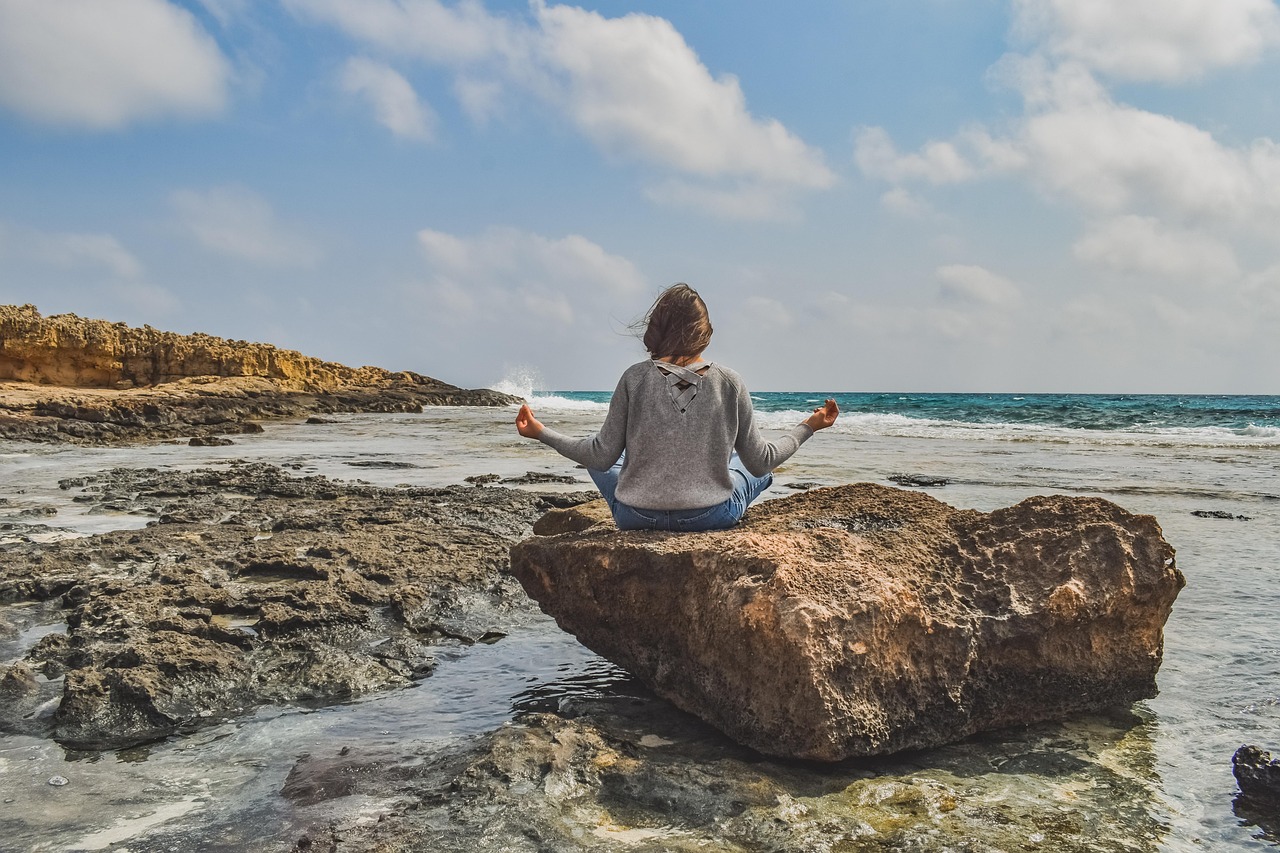
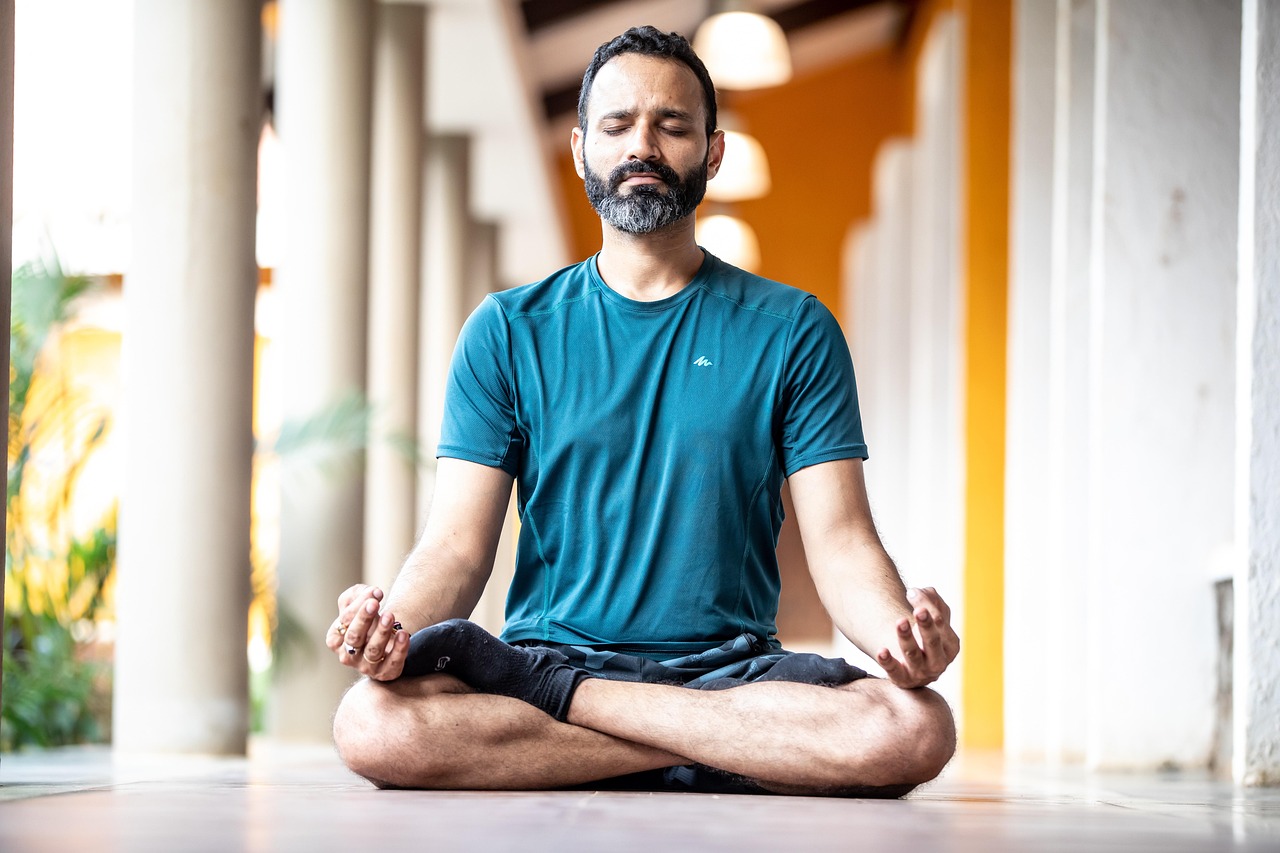
In a world that constantly demands our attention and energy, finding a sanctuary for peace, strength, and clarity has become more crucial than ever. Enter yoga – an ancient practice that transcends mere physical exercise, offering a holistic path to well-being. Far from being just a series of stretches, yoga is a profound journey of self-discovery, connecting mind, body, and spirit in a harmonious dance. Whether you’re seeking relief from stress, a boost in physical vitality, or a deeper sense of inner peace, the mat awaits to unfold a transformative experience.
The Essence of Yoga: Beyond the Asanas
Often perceived solely as a physical discipline, yoga is, at its heart, a comprehensive system for holistic living originating in ancient India. While the physical postures (asanas) are a prominent aspect, they are just one limb of a much larger, intricate philosophy designed to cultivate balance and inner harmony.
A Brief Journey Through Yoga’s Philosophy
- Origins: Tracing back over 5,000 years, yoga’s roots are found in ancient Indian scriptures, particularly the Vedas and the Yoga Sutras of Patanjali.
- Eight Limbs (Ashtanga Yoga): Patanjali’s Yoga Sutras outline an eight-fold path for living a meaningful and purposeful life. These include ethical standards (Yamas), self-discipline (Niyamas), physical postures (Asanas), breath control (Pranayama), sensory withdrawal (Pratyahara), concentration (Dharana), meditation (Dhyana), and absorption (Samadhi).
- Holistic Approach: Understanding yoga involves embracing its physical, mental, and spiritual dimensions. It’s about uniting the individual consciousness with the universal consciousness.
Actionable Takeaway: To truly appreciate yoga, delve beyond the physical poses. Explore resources on the Yamas and Niyamas to integrate ethical principles and self-discipline into your daily life, enriching your practice both on and off the mat.
The Myriad Benefits of a Regular Yoga Practice
The widespread adoption of yoga globally is a testament to its profound and multifaceted benefits. From enhancing physical prowess to fostering mental serenity, the advantages of a consistent yoga practice are well-documented and deeply impactful.
Physical Health Enhancements
Regular yoga practice significantly contributes to physical well-being, making the body stronger, more flexible, and resilient.
- Increased Flexibility: Poses stretch muscles and connective tissues, improving range of motion in joints. For example, a beginner might struggle to touch their toes, but with consistent practice, the hamstrings lengthen, making this more accessible.
- Improved Strength: Holding poses like Plank Pose or Warrior II builds functional strength, particularly in core, arm, and leg muscles.
- Enhanced Balance and Stability: Poses such as Tree Pose or Eagle Pose challenge and improve proprioception, leading to better balance and reduced risk of falls.
- Better Posture: Strengthening core muscles and lengthening the spine helps correct postural imbalances often caused by prolonged sitting.
- Pain Relief: Yoga can be highly effective in managing chronic pain, especially back pain, by improving mobility and reducing tension.
- Improved Circulation: Twisting poses and inversions stimulate blood flow, aiding in detoxification and nourishing cells.
Mental and Emotional Well-being
Yoga is a powerful tool for cultivating mental clarity and emotional resilience, offering a sanctuary from the stresses of modern life.
- Stress Reduction: The combination of breathwork, physical movement, and meditation activates the parasympathetic nervous system, lowering cortisol levels. A 2018 study published in the Journal of Physical Activity and Health found that regular yoga practice significantly reduces perceived stress.
- Enhanced Mindfulness and Focus: By directing attention to the breath and body sensations, yoga trains the mind to stay present, reducing mind-wandering and improving concentration.
- Anxiety and Depression Management: Consistent practice can alleviate symptoms of anxiety and depression by regulating mood and promoting a sense of calm.
- Improved Sleep Quality: The calming effects of yoga before bedtime can lead to deeper, more restorative sleep.
- Emotional Regulation: Yoga helps individuals become more aware of their emotional states, fostering a greater capacity for self-compassion and emotional balance.
Actionable Takeaway: Commit to practicing yoga at least 2-3 times a week. Even short, consistent sessions (15-20 minutes) can yield significant physical and mental benefits over time. Track your progress in flexibility or stress levels to stay motivated.
Finding Your Flow: Exploring Different Yoga Styles
The world of yoga is incredibly diverse, with a multitude of styles catering to different preferences, fitness levels, and goals. Exploring these variations allows you to find a practice that truly resonates with you.
Popular Yoga Styles for Every Body
- Hatha Yoga:
- Description: Often considered the foundational style, Hatha yoga typically involves holding postures for several breaths, focusing on alignment and deep stretching. It’s generally slower-paced and excellent for beginners.
- Ideal For: Those new to yoga, individuals seeking to improve flexibility, or anyone looking for a methodical, less intense practice.
- Example: A class might spend several minutes in Warrior II, focusing on proper knee alignment and core engagement before moving to the next pose.
- Vinyasa Yoga:
- Description: Meaning “to place in a special way,” Vinyasa links breath to movement, creating a dynamic, flowing sequence of poses. Classes vary widely in intensity and creativity.
- Ideal For: Practitioners who enjoy a more active, cardiovascular workout and a dance-like quality to their practice.
- Example: Sun Salutations (Surya Namaskar) are a classic Vinyasa sequence, flowing from Mountain Pose to standing forward fold, then to plank, chaturanga, upward-facing dog, and downward-facing dog, all synchronized with the breath.
- Restorative Yoga:
- Description: Focused on deep relaxation, Restorative yoga uses props like bolsters, blankets, and blocks to support the body in gentle, passive stretches held for extended periods (5-20 minutes).
- Ideal For: Stress relief, recovery from injury or illness, or anyone needing to unwind and deeply relax.
- Example: Lying over a bolster with knees bent in Supported Supta Baddha Konasana (Reclined Bound Angle Pose), allowing the hips to open passively while the body is fully supported.
- Yin Yoga:
- Description: A slow-paced style where poses are held for 3-5 minutes or longer, targeting the deep connective tissues (fascia, ligaments, joints) rather than muscles.
- Ideal For: Enhancing flexibility, joint health, and cultivating patience and mindfulness.
- Example: Holding a Seated Forward Fold for five minutes to deeply stretch the hamstrings and spine, often done with minimal muscular engagement.
- Ashtanga Yoga:
- Description: A highly structured and physically demanding style, Ashtanga follows a specific sequence of poses, practiced in the same order every time, with emphasis on breath (Ujjayi), gaze (Drishti), and energy locks (Bandhas).
- Ideal For: Dedicated practitioners seeking a rigorous, disciplined, and transformative physical practice.
- Example: The Primary Series, a fixed sequence of approximately 75 poses, is always practiced in the same order, building heat and strength.
Actionable Takeaway: Don’t be afraid to experiment! Many studios offer introductory classes or trials. Try a few different styles to see which one aligns best with your body, energy levels, and personal goals. Listen to your body and choose what feels right.
Getting Started with Yoga: A Beginner’s Guide
Embarking on your yoga journey can feel intimidating, but with a few simple steps, you can confidently take your first breaths and poses. Remember, everyone starts somewhere, and the most important aspect is simply beginning.
Your First Steps on the Mat
- Essential Equipment:
- Yoga Mat: A good quality mat provides grip and cushioning. Look for one that’s non-slip and comfortable.
- Comfortable Clothing: Wear breathable, stretchy attire that allows for a full range of movement without restricting blood flow.
- Optional Props: Blocks and straps can be incredibly helpful for beginners to modify poses and deepen stretches safely. Many studios provide these.
- Finding Your Practice Space:
- Yoga Studio: Attending in-person classes offers personalized instruction, community, and motivation. Look for beginner-friendly classes like “Yoga Basics” or “Gentle Yoga.”
- Online Platforms: Websites and apps (e.g., Yoga with Adriene, Glo, Down Dog) offer a vast library of classes for all levels, providing flexibility to practice at home.
- Private Instructor: For tailored guidance and addressing specific needs, a private instructor can offer invaluable personalized attention.
- Fundamental Poses for Beginners:
- Mountain Pose (Tadasana): The foundation of all standing poses, teaching proper alignment and grounding. Stand tall, feet hip-width apart, distributing weight evenly.
- Downward-Facing Dog (Adho Mukha Svanasana): A full-body stretch that strengthens and lengthens the spine, hamstrings, and calves. Start on hands and knees, then lift hips towards the ceiling.
- Child’s Pose (Balasana): A restorative pose for resting and gentle stretching of the hips and back. Kneel on the mat, big toes touching, sit hips back towards heels, and fold torso forward.
- Cat-Cow Pose (Marjaryasana-Bitilasana): A gentle spinal warm-up that links breath to movement, improving spinal flexibility. On hands and knees, arch spine on inhale (cow), round spine on exhale (cat).
- Warrior II (Virabhadrasana II): Builds strength in the legs and core while opening the hips. Step one foot back, turn it out, bend front knee, arms outstretched.
- Cultivating a Beginner’s Mindset:
- Listen to Your Body: Never push into pain. Modifications are encouraged. Yoga is about self-awareness, not competition.
- Focus on Breath: Your breath is your anchor. Conscious breathing (Pranayama) enhances every pose and calms the nervous system.
- Consistency Over Perfection: Regular, even short practices are more beneficial than sporadic, intense ones. Progress happens gradually.
Actionable Takeaway: Start with simple, foundational poses. Dedicate 10-15 minutes each day to practice these basic movements, focusing intently on your breath. Don’t worry about how you look; concentrate on how you feel.
Deepening Your Practice: Beyond the Mat
While the physical postures are often the entry point, the true depth of yoga unfolds when its principles are woven into the fabric of daily life. Expanding your practice beyond the mat enriches your experience and brings profound transformation.
Integrating Yoga into Everyday Living
- Embrace Pranayama (Breathwork):
- Description: Conscious control of breath is central to yoga. Techniques like Ujjayi (victorious breath), Nadi Shodhana (alternate nostril breathing), and Kapalabhati (skull-shining breath) can profoundly impact your energy levels and mental state.
- Practical Tip: Start with 5 minutes of Nadi Shodhana daily. It balances the hemispheres of the brain, reduces stress, and improves focus.
- Cultivate Meditation:
- Description: Meditation is the practice of focusing the mind on a particular object, thought, or activity to train attention and awareness, and achieve a mentally clear and emotionally calm state.
- Practical Tip: Begin with guided meditations (available on apps like Calm or Headspace) for 5-10 minutes each morning. Find a quiet space, sit comfortably, and simply observe your breath without judgment.
- Practice Mindfulness:
- Description: Mindfulness is the practice of being present and fully engaged in the current moment, acknowledging and accepting feelings, thoughts, and bodily sensations without judgment.
- Practical Tip: Choose one routine daily activity, like drinking a cup of tea or walking, and dedicate your full, non-judgmental attention to it. Notice the sensations, smells, tastes, and sounds.
- Study Yoga Philosophy:
- Description: Delving into texts like Patanjali’s Yoga Sutras or the Bhagavad Gita can provide a rich philosophical framework for your practice and life.
- Practical Tip: Read one chapter or a few verses each week, reflecting on how the teachings apply to your personal experiences and interactions. Focus on the Yamas (non-violence, truthfulness, non-stealing, continence, non-possessiveness) and Niyamas (purity, contentment, austerity, self-study, surrender to a higher power).
Actionable Takeaway: Choose one non-asana yogic practice – be it daily breathwork, a short meditation, or a moment of mindful eating – and commit to integrating it into your routine for a month. Observe how this subtle shift enhances your overall well-being and deepens your connection to the essence of yoga.
Conclusion
Yoga is more than a fitness trend; it is a timeless practice, a profound path to holistic well-being that gracefully intertwines physical vitality with mental clarity and spiritual peace. From strengthening your body and improving flexibility to calming your mind and reducing stress, the benefits of a dedicated yoga practice are truly transformative. With its diverse styles and rich philosophical underpinnings, there’s a yoga for everyone, waiting to be discovered and embraced.
As you embark on or deepen your yoga journey, remember that it’s a practice, not a destination. Each breath, each pose, and each moment of mindful awareness builds upon the last, guiding you towards a more balanced, joyful, and connected existence. Unroll your mat, breathe deeply, and allow the ancient wisdom of yoga to illuminate your path to profound self-discovery and enduring peace.