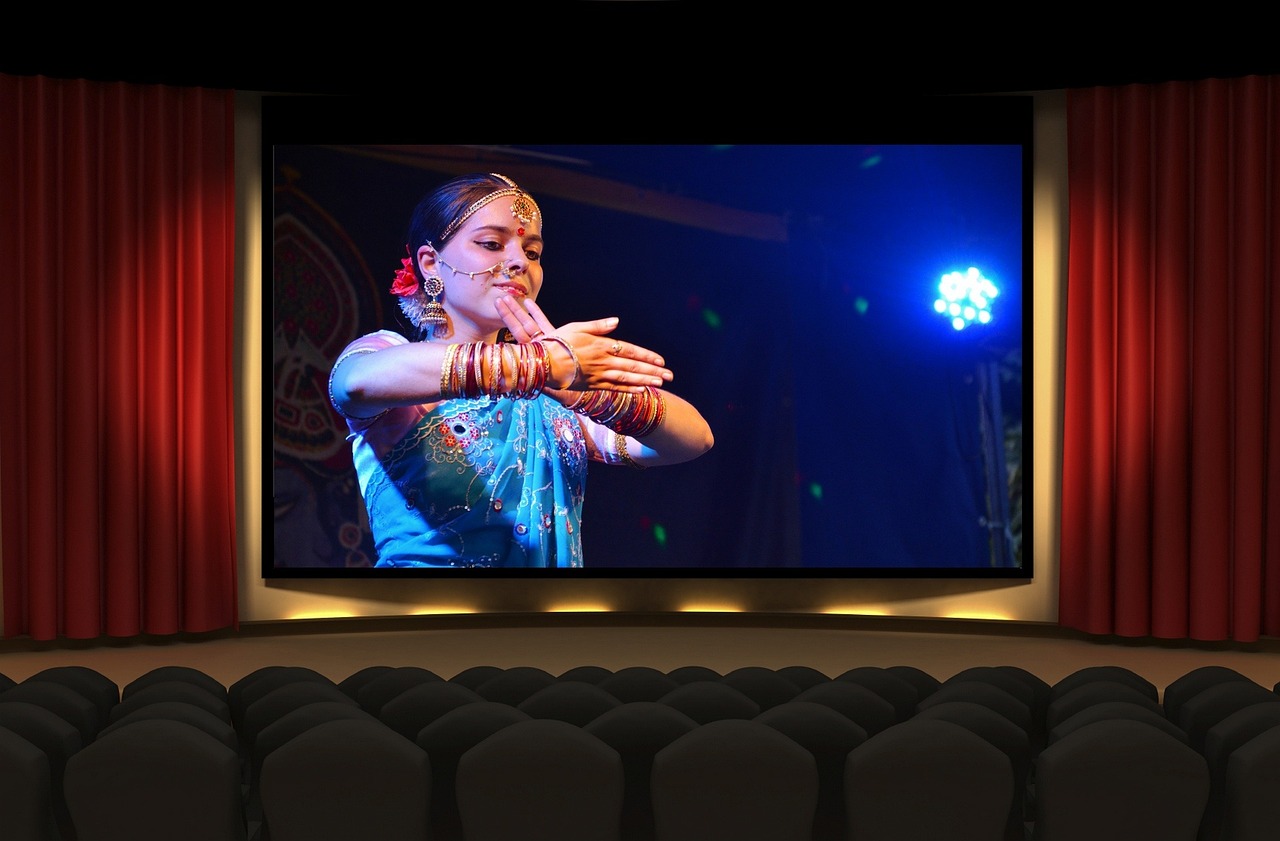

From the flickering shadows of early projectors to the immersive worlds of modern blockbusters, films have captivated humanity for over a century. More than just a form of entertainment, cinema is a powerful medium for storytelling, a mirror reflecting society, and a window into endless possibilities. It transcends language and culture, inviting us to laugh, cry, ponder, and dream, often leaving an indelible mark on our collective consciousness. In an increasingly digital world, the art of film continues to evolve, offering rich experiences that inform, inspire, and entertain audiences globally. Join us as we delve into the multifaceted universe of films, exploring their impact, creation, and enduring magic.
The Enduring Magic of Cinema: Why Films Matter
Films possess a unique ability to transport us, evoke powerful emotions, and even challenge our perspectives. Their significance extends far beyond mere leisure, serving as vital cultural artifacts and engines of social discourse.
Storytelling Through the Ages: From Oral Traditions to Screen
At its core, film is the ultimate evolution of storytelling. From ancient myths shared around campfires to epic novels, the human desire to tell and hear stories is fundamental. Cinema brings these narratives to life with unparalleled visual and auditory richness.
- Visual Narrative: Films use imagery, sound, and motion to create immersive worlds.
- Emotional Connection: Stories told through compelling characters foster empathy and understanding.
- Universal Themes: Many films explore timeless human experiences like love, loss, courage, and identity, resonating across diverse audiences.
Actionable Takeaway: Pay attention to the narrative structure and character arcs in your next film to appreciate the intricate craft of screenwriting.
Escape and Entertainment: The Therapeutic Power of Movies
In a fast-paced world, films offer a welcome respite. They provide a space to escape daily pressures, immerse ourselves in different realities, and experience a wide range of emotions in a safe environment.
- Stress Relief: A good comedy can lighten the mood, while an action film provides an adrenaline rush without real danger.
- Immersive Experience: High-quality cinematography and sound design can create a truly immersive, almost meditative, experience.
- Shared Joy: Watching films with friends or family fosters connection and creates shared memories.
Example: After a long week, settling down with a feel-good animated film like Disney’s ‘Soul’ or a thrilling adventure like ‘Dune’ can be a perfect way to decompress and recharge.
Reflection and Social Commentary: Films as Mirrors of Society
Beyond entertainment, films often hold a powerful mirror up to society, reflecting current issues, historical events, and cultural norms. They can spark conversations, challenge preconceptions, and even drive social change.
- Historical Documentation: Documentaries and historical dramas educate audiences about past events and their impact.
- Social Critique: Films like Bong Joon-ho’s ‘Parasite’ or Jordan Peele’s ‘Get Out’ use compelling narratives to critique social inequalities and prejudices.
- Cultural Preservation: Indigenous and independent films often play a crucial role in preserving and sharing diverse cultural narratives.
Actionable Takeaway: After watching a film that touches on social issues, take a moment to research the real-world context and discuss its themes with others.
A Journey Through Film Genres and Styles
The world of films is incredibly diverse, categorized by genres and stylistic approaches that cater to every taste. Understanding these categories enhances appreciation for the creative choices filmmakers make.
Diverse Worlds: Exploring Popular Genres
Film genres provide a framework, allowing audiences to anticipate certain conventions and themes. While boundaries often blur, key genres dominate the cinematic landscape.
- Science Fiction: Explores futuristic concepts, advanced technology, and often societal implications (e.g., ‘Blade Runner 2049’, ‘Arrival’).
- Drama: Focuses on realistic characters, emotional depth, and often conflicts within human relationships (e.g., ‘Manchester by the Sea’, ‘Nomadland’).
- Comedy: Aims to amuse and entertain, often through humor, exaggeration, and satire (e.g., ‘Booksmart’, ‘The Big Lebowski’).
- Horror: Designed to frighten, shock, and thrill audiences through suspense, gore, and psychological tension (e.g., ‘Hereditary’, ‘The Babadook’).
- Action/Adventure: Characterized by high energy, physical feats, and thrilling sequences (e.g., ‘Mad Max: Fury Road’, ‘Mission: Impossible – Fallout’).
- Documentary: A non-fictional film intended to document reality, primarily for the purposes of instruction, education, or maintaining a historical record (e.g., ‘My Octopus Teacher’, ‘Free Solo’).
Actionable Takeaway: Challenge yourself to watch a critically acclaimed film from a genre you typically avoid. You might discover a new favorite!
Art House vs. Blockbuster: Understanding Different Cinematic Approaches
Films can generally be viewed through two broad lenses: mainstream blockbusters and independent/art house cinema, each serving different purposes and audiences.
- Blockbusters:
- Typically large-budget productions with wide appeal.
- Focus on spectacle, established franchises, and clear narrative structures.
- Aimed at mass audiences, often generating significant box office revenue (e.g., Marvel Cinematic Universe films, ‘Avatar’).
- Art House/Independent Films:
- Smaller budgets, often focused on artistic expression, experimental storytelling, and character studies.
- May explore complex themes, ambiguous endings, and unique visual styles.
- Aimed at niche audiences, often celebrated at film festivals (e.g., films by Wes Anderson, A24 productions).
Example: While a film like ‘Avengers: Endgame’ exemplifies a blockbuster, a film like ‘Minari’ (an independent drama) showcases the nuanced storytelling often found in art house cinema, despite also achieving mainstream success.
Global Cinema: The Richness of International Filmmaking
The cinematic landscape is truly global, with each country and culture contributing unique perspectives, aesthetics, and storytelling traditions. Exploring international films broadens one’s understanding of the world.
- Cultural Insights: International films offer windows into different societal norms, histories, and artistic expressions.
- Diverse Narratives: They often present stories and themes rarely explored in Hollywood productions.
- Innovative Techniques: Filmmakers from around the world continually push the boundaries of cinematic language.
Actionable Takeaway: Use streaming services to explore films from non-English speaking countries. Start with acclaimed directors like Hayao Miyazaki (Japan), Pedro Almodóvar (Spain), or Wong Kar-wai (Hong Kong).
The Art and Science of Filmmaking: Behind the Scenes
Creating a film is an intricate ballet of creativity, technical prowess, and meticulous planning, involving hundreds of dedicated professionals. Understanding the process deepens appreciation for the final product.
From Script to Screen: The Production Process
Filmmaking follows a well-defined lifecycle, each stage critical to bringing a vision to life.
- Pre-Production: This phase includes script development, casting, location scouting, budget planning, and storyboarding. It’s where the blueprint for the film is created.
- Production (Principal Photography): The actual filming takes place, often the most intensive and collaborative stage, with directors, cinematographers, actors, and crew working together on set.
- Post-Production: After filming wraps, this phase involves editing, visual effects (VFX), sound design, music composition, color grading, and final delivery. This is where the raw footage is sculpted into a cohesive film.
Example: A single scene in a Marvel film might involve months of pre-visualization and concept art, days of intense shooting, and then over a year of post-production work for visual effects and sound mixing to achieve its final polished look.
Key Creative Roles: Director, Cinematographer, Editor
While an army of people contribute, certain roles are pivotal in shaping the artistic vision of a film.
- Director: The primary creative artist responsible for overseeing the artistic and dramatic aspects of a film, guiding the actors and technical crew.
- Cinematographer (Director of Photography): Responsible for the look of the film, including lighting, framing, and camera movement.
- Editor: Assembles the raw footage into a coherent sequence, shaping the pacing, rhythm, and emotional flow of the film.
- Screenwriter: Writes the script, crafting the story, characters, and dialogue that form the foundation of the film.
- Actors: Bring characters to life through performance, embodying emotions and delivering dialogue as envisioned by the director and screenwriter.
Actionable Takeaway: When watching your next film, try to identify the director’s unique visual style or the cinematographer’s use of light, and consider how the editing impacts the story’s pace.
Technological Evolution: Impact of Digital, VFX, Sound Design
Technology has revolutionized filmmaking, offering new creative possibilities and enhancing the viewing experience.
- Digital Filmmaking: The shift from film stock to digital cameras has made filmmaking more accessible and versatile, allowing for greater flexibility in shooting and post-production.
- Visual Effects (VFX): From subtle enhancements to creating entire fantastical worlds, VFX are integral to modern cinema, pushing the boundaries of what’s visually possible.
- Sound Design: Beyond dialogue and music, sound effects and ambient noise meticulously crafted create atmosphere, tension, and immersion, significantly impacting the audience’s emotional response.
Example: Films like ‘Avatar’ pioneered advancements in motion capture and CGI, while the sound design in ‘A Quiet Place’ is crucial to its horror and suspense, demonstrating how technology serves the storytelling.
The Impact of Films on Culture and Society
Films are not merely entertainment; they are cultural touchstones that influence our fashion, language, societal norms, and even economic landscapes. Their reach is global and their effects profound.
Shaping Perceptions: How Films Influence Views on Issues, Fashion, Language
Films have an undeniable power to shape public opinion and influence trends. They can introduce new ideas, challenge stereotypes, and even popularize certain modes of expression.
- Fashion Trends: Iconic costumes from films like ‘Breakfast at Tiffany’s’ or ‘The Matrix’ have inspired real-world fashion for decades.
- Language and Slang: Memorable movie quotes often enter everyday vernacular, becoming cultural shorthand.
- Social and Political Discourse: Films can bring overlooked issues to the forefront, influencing public debate and policy, or showcasing different ways of life.
Example: The widespread adoption of trench coats and fedoras can be partly attributed to classic film noir, while phrases like “May the Force be with you” from ‘Star Wars’ are universally recognized.
Economic Powerhouse: The Global Film Industry’s Reach
The film industry is a massive global enterprise, contributing significantly to economies worldwide through production, distribution, and exhibition. In 2022, the global box office revenue alone reached approximately $25.9 billion, a testament to its economic might.
- Job Creation: The industry employs millions, from creative artists to technical crews, marketing professionals, and cinema staff.
- Tourism: Filming locations often become tourist destinations, boosting local economies (e.g., New Zealand after ‘The Lord of the Rings’).
- Ancillary Markets: Merchandising, home video, streaming rights, and theme park attractions generate substantial additional revenue.
Actionable Takeaway: Support local independent cinemas or film festivals to contribute directly to the cultural and economic vitality of the film community.
Film Festivals and Awards: Celebrating Cinematic Excellence
Film festivals and awards ceremonies are crucial platforms that celebrate artistic achievement, discover new talent, and bring diverse films to wider audiences.
- Prestigious Awards: The Academy Awards (Oscars), Cannes Film Festival, Berlin International Film Festival, and Venice Film Festival are globally recognized, honoring outstanding cinematic works.
- Talent Discovery: Festivals often serve as launching pads for emerging filmmakers and actors, giving them vital exposure.
- Cultural Exchange: They foster an environment for international collaboration and appreciation of global cinematic art.
Example: Winning the Palme d’Or at Cannes or Best Picture at the Oscars can dramatically increase a film’s international distribution and critical acclaim, showcasing its cultural significance.
Maximizing Your Film Experience: From Viewer to Connoisseur
Engaging with films can be a deeply rewarding experience. By being more intentional about your viewing habits, you can transform from a casual viewer into a true film connoisseur.
Choosing Your Next Watch: Tips for Discovery
With an overwhelming array of options available on streaming platforms and in theaters, finding your next great film can be a delightful challenge.
- Utilize Streaming Algorithms: While not perfect, personalized recommendations on Netflix, Max, or Amazon Prime Video can introduce you to new content.
- Read Reviews and Critics: Websites like Rotten Tomatoes, Metacritic, and independent film blogs offer insights into critical reception. Follow trusted film critics whose tastes align with yours.
- Explore Award Winners and Festival Selections: Films that win major awards or are featured at prestigious festivals often represent cinematic excellence.
- Ask for Recommendations: Friends, family, and online film communities can be excellent sources for personalized suggestions.
- Follow Directors/Actors: If you enjoy a particular filmmaker’s style or an actor’s performances, explore their other works.
Actionable Takeaway: Keep a running list of films you want to watch. When you’re ready for a new film, pick one that’s outside your comfort zone or has strong critical acclaim.
The Cinematic Experience: Home Theater vs. Multiplex
The environment in which you watch a film significantly impacts the experience. Both home viewing and going to the cinema offer distinct advantages.
- Multiplex (Cinema):
- Immersive: Large screen, professional sound system, and dark environment minimize distractions.
- Communal: A shared experience with other audience members, enhancing reactions like laughter or suspense.
- First View: Often the first opportunity to see new releases as intended by the filmmakers.
- Home Theater (Streaming/Physical Media):
- Convenience: Watch what you want, when you want, from the comfort of your home.
- Control: Pause, rewind, adjust volume, and eliminate distractions (or embrace them!).
- Accessibility: Wider back catalog of films available, often at a lower per-film cost.
Example: While action-packed blockbusters like ‘Top Gun: Maverick’ truly shine on the big screen, intimate character dramas like ‘Past Lives’ can be equally powerful in a quiet home setting.
Engaging with Film: Reviews, Discussions, Fan Communities
The film experience doesn’t have to end when the credits roll. Actively engaging with films through discussion and analysis deepens your understanding and enjoyment.
- Write Reviews: Documenting your thoughts and feelings about a film helps solidify your opinions and can be shared with others.
- Join Discussions: Participate in online forums, social media groups, or real-life film clubs to discuss interpretations, themes, and filmmaking techniques.
- Listen to Podcasts/Watch Video Essays: Many excellent resources delve into film theory, history, and specific analyses, offering new perspectives.
- Attend Q&As: If possible, attend post-screening Q&As with directors or actors to gain direct insight into their creative process.
Actionable Takeaway: After watching a particularly impactful film, spend 10-15 minutes reading a professional review or searching for an online discussion. It will often reveal nuances you might have missed.
Conclusion
Films are more than just moving pictures; they are a profound art form, a global industry, and an irreplaceable part of our cultural fabric. From the intricate craft of filmmaking that brings stories to life, to the diverse genres that cater to every human emotion, and their undeniable impact on society, films continuously shape and reflect our world. Whether you seek escapism, intellectual challenge, or a deeper understanding of humanity, the magic of cinema offers an unparalleled journey. So, next time you settle in for a film, remember the dedication, creativity, and power behind every frame, and allow yourself to be transported by the enduring art of storytelling.