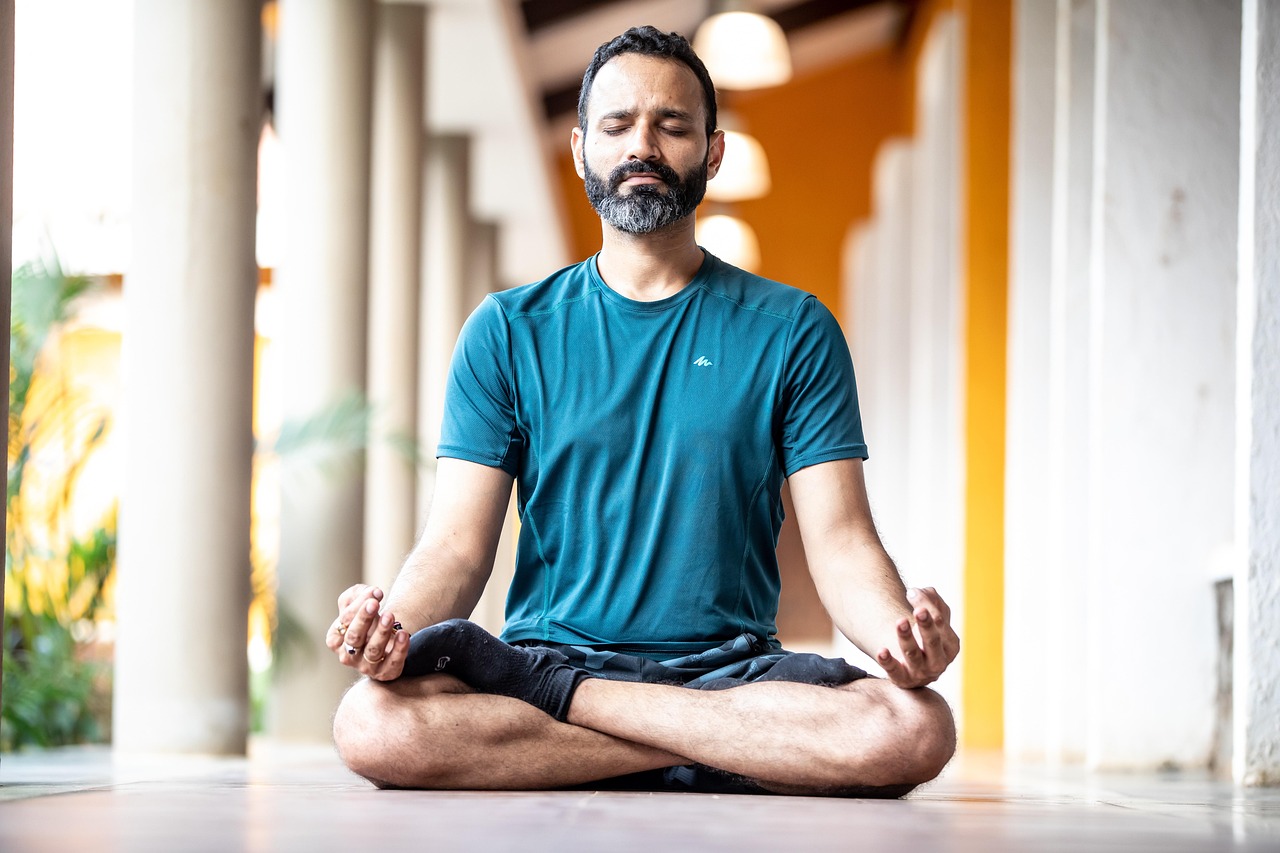

In our fast-paced, ever-demanding world, the concept of wellbeing has transcended mere absence of illness to become a vibrant, holistic pursuit of living a fulfilling and healthy life. It’s about more than just feeling “okay”; it’s about actively thriving in all aspects of your existence. This journey towards optimal wellbeing is deeply personal yet universally vital, impacting everything from our daily productivity to our long-term happiness and resilience. Understanding and nurturing your wellbeing is not a luxury, but a fundamental investment in your present and future self.
Understanding Holistic Wellbeing: A Multidimensional Approach
Wellbeing is a dynamic state that encompasses various interconnected dimensions, all contributing to your overall quality of life. Achieving holistic wellbeing means paying attention to each of these areas, recognizing that a deficiency in one can impact the others significantly.
The Pillars of a Balanced Life
True wellbeing extends beyond just physical health. It’s about a harmonious balance across several key dimensions:
- Physical Wellbeing: Involves maintaining a healthy body through regular exercise, nutritious eating, adequate sleep, and proper hygiene. It’s the foundation upon which other aspects are built.
- Mental Wellbeing: Refers to cognitive health, including your ability to think clearly, learn new things, make decisions, and cope with daily stressors. It’s about intellectual stimulation and mental clarity.
- Emotional Wellbeing: Encompasses your ability to understand, express, and manage your emotions effectively. It involves resilience, self-awareness, and developing healthy coping mechanisms for life’s challenges.
- Social Wellbeing: Focuses on the quality of your relationships and connections with others. It’s about belonging, support, and engaging positively with your community.
- Spiritual Wellbeing: Involves having a sense of purpose, meaning, and values in life. It doesn’t necessarily relate to religion but rather to finding inner peace and aligning with your core beliefs.
- Environmental Wellbeing: Recognizes the impact of your surroundings on your health and happiness, advocating for a healthy planet and a stimulating personal environment.
- Financial Wellbeing: Deals with managing your economic life to reduce stress and create security, allowing you to meet your needs and achieve your financial goals.
Actionable Takeaway: Regularly assess each of these dimensions in your life. Where might you be thriving, and where might you need to dedicate more attention? A simple “wellbeing check-in” can be a powerful tool.
The Foundations of Physical Wellbeing: Fueling Your Body and Mind
Our physical health is the bedrock of our overall wellbeing. Neglecting it can have ripple effects across all other dimensions, diminishing our energy, focus, and emotional resilience.
Nourishing Your Body: The Power of Nutrition
What you eat directly impacts your energy levels, mood, cognitive function, and long-term health. A balanced diet is crucial for sustainable wellbeing.
- Eat Whole Foods: Prioritize fruits, vegetables, whole grains, lean proteins, and healthy fats. These provide essential nutrients, fiber, and antioxidants.
- Stay Hydrated: Water is vital for every bodily function. Aim for at least 8 glasses (around 2 liters) of water daily.
- Mindful Eating: Pay attention to your body’s hunger and fullness cues. Slow down, savor your meals, and avoid distractions while eating.
Practical Example: Instead of a sugary snack when feeling sluggish, reach for an apple with a handful of almonds. This provides sustained energy without the crash and supports stable blood sugar levels, which positively impacts mood.
Moving Your Body: The Benefits of Exercise
Regular physical activity is a potent medicine for both body and mind. It boosts mood, improves sleep, reduces stress, and strengthens your cardiovascular system.
- Find What You Enjoy: Whether it’s walking, dancing, cycling, swimming, or yoga, choose activities you look forward to. Consistency is key.
- Aim for Variety: Incorporate a mix of cardiovascular exercise, strength training, and flexibility into your routine.
- Integrate Movement: Take the stairs, walk during lunch breaks, or stand while taking calls. Small bursts of activity add up.
Statistic: The World Health Organization recommends at least 150 minutes of moderate-intensity aerobic physical activity throughout the week for adults, or 75 minutes of vigorous-intensity aerobic physical activity.
Rest and Restoration: Prioritizing Quality Sleep
Sleep is not a luxury; it’s a fundamental biological necessity for physical and mental restoration. Chronic sleep deprivation severely impacts cognitive function, mood, and immune health.
- Establish a Routine: Go to bed and wake up at roughly the same time each day, even on weekends.
- Create a Relaxing Environment: Ensure your bedroom is dark, quiet, cool, and comfortable.
- Limit Screen Time: Avoid blue light from screens at least an hour before bed, as it can disrupt melatonin production.
Actionable Takeaway: Review your daily habits for nutrition, exercise, and sleep. Identify one small, achievable change you can make this week to enhance your physical wellbeing, like adding a 15-minute walk or swapping out one unhealthy snack.
Nurturing Mental and Emotional Wellbeing: Cultivating Inner Strength
Our mental and emotional states profoundly influence our perception of life, our relationships, and our ability to cope with adversity. Cultivating inner strength is vital for lasting wellbeing.
Mindfulness and Stress Management Techniques
In a world full of demands, learning to manage stress and stay present is crucial for mental resilience.
- Mindfulness Meditation: Dedicate 5-10 minutes daily to focus on your breath, observing thoughts without judgment. Apps like Calm or Headspace can guide you.
- Deep Breathing Exercises: Simple diaphragmatic breathing can calm the nervous system instantly. Inhale slowly through your nose, hold briefly, and exhale slowly through your mouth.
- Journaling: Writing down your thoughts and feelings can provide clarity, reduce rumination, and help process emotions.
Practical Example: When feeling overwhelmed by a deadline, take a 2-minute “mindfulness break.” Close your eyes, take three deep breaths, and notice the sensations in your body. This brief pause can reset your focus and reduce anxiety.
Developing Emotional Intelligence
Emotional intelligence (EQ) is the ability to understand and manage your own emotions, and to understand and influence the emotions of others. High EQ contributes to better relationships and greater life satisfaction.
- Self-Awareness: Regularly check in with how you’re feeling and why. What triggers certain emotions for you?
- Self-Regulation: Learn to pause before reacting. Practice strategies like counting to ten or taking a walk when upset.
- Empathy: Try to understand situations from another person’s perspective. Ask open-ended questions and listen actively.
Actionable Takeaway: Practice gratitude daily. Listing 3-5 things you are grateful for each day can shift your perspective towards positivity and significantly boost your emotional wellbeing.
Building Social Connections and Finding Purpose: Thriving Together
Humans are inherently social beings. Our connections with others and our sense of purpose are powerful determinants of our overall wellbeing and happiness.
The Power of Healthy Relationships
Strong social bonds provide support, reduce feelings of isolation, and can even extend lifespan. Nurturing these connections is an investment in your wellbeing.
- Prioritize Quality Time: Make an effort to spend meaningful time with friends, family, and loved ones.
- Practice Active Listening: When conversing, give your full attention, ask clarifying questions, and truly hear what others are saying.
- Offer Support: Be there for others, and don’t be afraid to ask for support when you need it. Reciprocity strengthens bonds.
- Set Boundaries: Healthy relationships also require clear boundaries to protect your energy and time.
Practical Example: Schedule a regular “connection call” with a distant friend or family member, or organize a monthly potluck with neighbors. These consistent efforts reinforce social ties.
Finding Your Sense of Purpose and Meaning
Having a purpose—a reason to get up in the morning—provides direction, motivation, and a profound sense of fulfillment. It’s about contributing to something larger than yourself.
- Identify Your Values: What truly matters to you? Your purpose often aligns with your core values.
- Engage in Meaningful Work: This could be your career, volunteering, or a passion project that resonates deeply with you.
- Help Others: Acts of altruism and kindness are powerful ways to boost your own wellbeing and find meaning.
Actionable Takeaway: Reflect on your social circles and your sense of purpose. Can you schedule a catch-up with someone important to you this week? Or identify one small way you can contribute to a cause you care about, even for an hour?
Conclusion
Wellbeing is not a destination but an ongoing journey of self-discovery, conscious choices, and continuous growth across all dimensions of life. By understanding its holistic nature and actively nurturing your physical, mental, emotional, and social health, you can build a robust foundation for a truly fulfilling and resilient life. Embrace the power of small, consistent steps, celebrate your progress, and remember that investing in your wellbeing is the most profound act of self-care you can undertake. Start today, and empower yourself to thrive.