In our fast-paced, always-on world, the persistent hum of demands and deadlines can often drown out the quiet whispers of our own well-being. Stress has become a ubiquitous companion, subtly eroding our health, happiness, and productivity. Yet, amidst the chaos, there’s a powerful antidote readily available to us: relaxation. More than just an absence of stress, true relaxation is an active state of mind and body that restores equilibrium, recharges our energy, and fosters resilience. This comprehensive guide delves into the science, benefits, and practical strategies for integrating profound relaxation into your daily life, transforming your journey towards optimal health and inner peace.
Understanding the Science of Relaxation
Relaxation isn’t merely a feeling; it’s a profound physiological and psychological shift that directly counteracts the detrimental effects of stress. When we understand what happens within our bodies, we can better appreciate its vital importance.
What Happens When You Relax?
- Activation of the Parasympathetic Nervous System: Often called the “rest and digest” system, it slows down heart rate, lowers blood pressure, and promotes digestion.
- Reduced Cortisol Levels: The primary stress hormone, cortisol, decreases, which in turn reduces inflammation and supports immune function.
- Release of Feel-Good Neurotransmitters: Endorphins, serotonin, and dopamine are released, leading to improved mood, reduced pain perception, and a sense of well-being.
- Muscle Relaxation: Tensed muscles unwind, alleviating aches and stiffness often associated with chronic stress.
- Improved Cognitive Function: A relaxed mind can think more clearly, focus better, and enhance problem-solving abilities.
Practical Example: Imagine a moment when you felt truly at peace – perhaps watching a sunset or listening to calming music. Your breathing deepened, your shoulders dropped, and a sense of calm washed over you. This is your body’s natural relaxation response in action.
The Dangers of Chronic Stress
Conversely, chronic stress keeps the body in a constant state of “fight or flight,” with severe consequences:
- Cardiovascular Issues: High blood pressure, increased risk of heart disease and stroke.
- Weakened Immune System: Making you more susceptible to illness.
- Digestive Problems: Irritable bowel syndrome (IBS), ulcers, and nutrient malabsorption.
- Mental Health Disorders: Heightened risk of anxiety, depression, and burnout.
- Sleep Disturbances: Insomnia and poor sleep quality, creating a vicious cycle of fatigue and stress.
Actionable Takeaway: Recognize the early warning signs of stress in your body – persistent headaches, tense shoulders, irritability, or difficulty sleeping. These are your cues to actively engage in relaxation techniques before stress takes a heavier toll on your health.
Practical Techniques for Deep Relaxation
Luckily, there’s a wealth of accessible techniques you can employ to induce a state of deep relaxation. Experiment to find what resonates best with you.
Mindfulness and Meditation
Mindfulness is the practice of being present and fully aware of the current moment without judgment. Meditation is a formal practice to cultivate mindfulness and focus.
- Guided Meditation: Use apps (e.g., Calm, Headspace) or online videos to lead you through a meditation session, focusing on breath, body sensations, or imagery.
- Body Scan Meditation: Lie down and bring attention to each part of your body, noticing any sensations, tension, or comfort without trying to change anything.
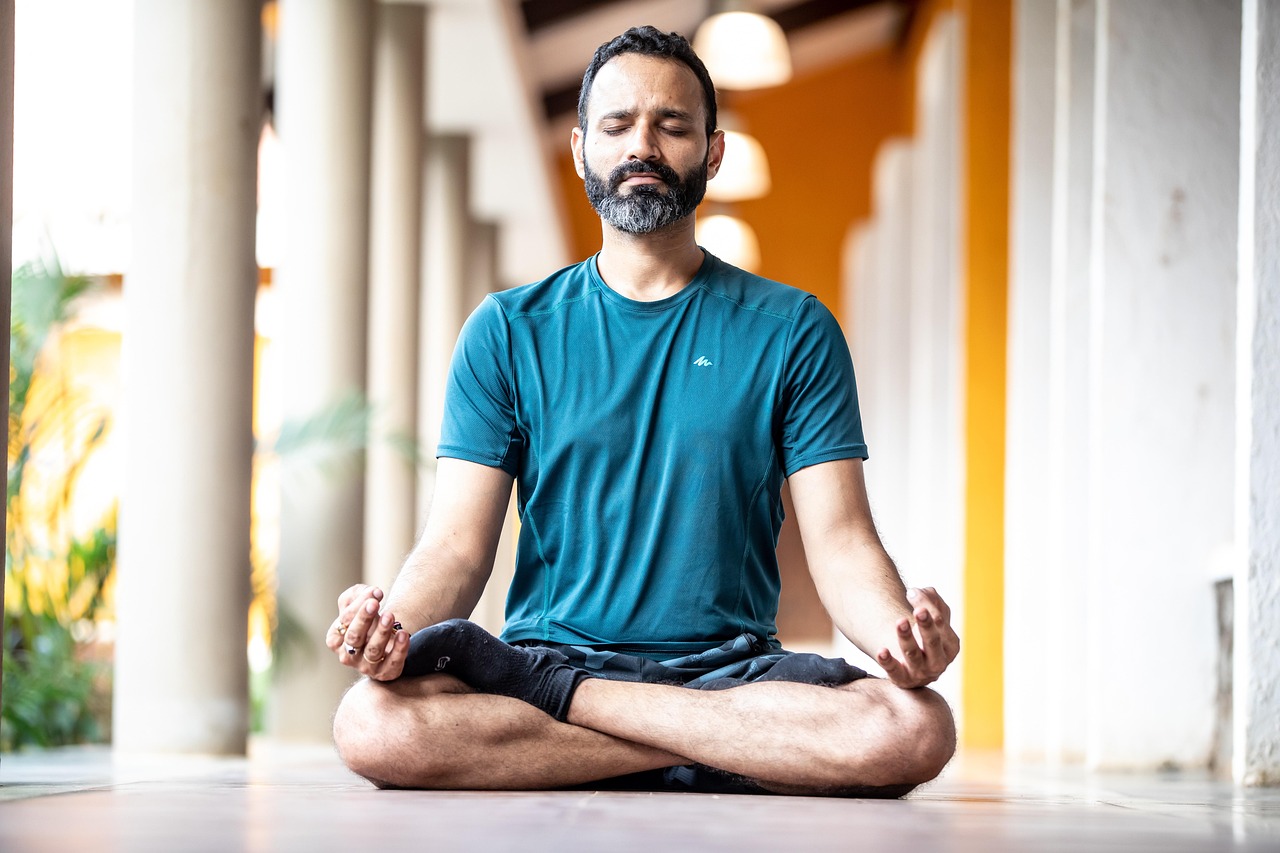
- Mindful Breathing: Simply sit quietly and focus on the sensation of your breath entering and leaving your body. When your mind wanders, gently bring it back to your breath.
Practical Example: Start with just 5 minutes of mindful breathing each morning. Find a quiet spot, close your eyes (or soften your gaze), and observe your inhale and exhale. Even this small practice can significantly reduce daily anxiety.
Progressive Muscle Relaxation (PMR)
PMR involves systematically tensing and then relaxing different muscle groups in the body. This helps you become more aware of muscle tension and how to release it.
- How to Practice: Find a comfortable position. Start with your feet, clench them tightly for 5 seconds, then completely relax for 15 seconds. Move up through your body – calves, thighs, glutes, abdomen, arms, hands, shoulders, neck, and face.
- Benefits: Excellent for releasing physical tension, reducing anxiety, and improving sleep quality.
Practical Example: Before bed, run through a full PMR session. You’ll likely notice the difference in how quickly you drift off to sleep and the quality of your rest.
Deep Breathing Exercises
Breath is a powerful tool for immediate relaxation. Focusing on slow, deep breaths signals your nervous system to calm down.
- Diaphragmatic (Belly) Breathing: Place one hand on your chest and one on your belly. Inhale slowly through your nose, feeling your belly rise. Exhale slowly through your mouth, feeling your belly fall. Your chest should remain relatively still.
- Box Breathing (4-4-4-4): Inhale for a count of four, hold your breath for a count of four, exhale for a count of four, and hold your breath out for a count of four. Repeat several times.
Actionable Takeaway: When you feel stress rising, take three to five slow, deep belly breaths. This simple act can significantly lower your heart rate and bring you back to a calmer state within minutes.
Cultivating a Relaxing Lifestyle: Beyond the Moment
True well-being comes not just from occasional relaxation techniques, but from weaving relaxation principles into the fabric of your everyday life.
The Power of Nature and Green Spaces
Spending time in nature has profound restorative effects, a concept often referred to as “forest bathing” (Shinrin-yoku).
- Reduced Stress Hormones: Studies show that even short walks in natural environments can decrease cortisol levels.
- Improved Mood: Exposure to nature is linked to reduced feelings of anger, fear, and stress, and an increase in pleasant emotions.
- Enhanced Cognitive Function: Nature helps reduce mental fatigue and improve focus.
Practical Example: Make it a habit to spend at least 15-20 minutes outdoors daily. This could be a walk in a local park, gardening, or simply sitting on your porch and observing the natural world around you.
The Role of Sleep in Relaxation
Quality sleep is foundational for physical and mental restoration. It’s when your body and mind truly relax and repair.
- Consistent Sleep Schedule: Go to bed and wake up around the same time each day, even on weekends.
- Create a Relaxing Bedtime Routine: Take a warm bath, read a book, listen to calming music, or do gentle stretches an hour before bed.
- Optimize Your Sleep Environment: Keep your bedroom dark, quiet, and cool. Avoid screens (phones, tablets, TVs) for at least an hour before sleep.
Practical Example: If you struggle with sleep, track your sleep patterns for a week to identify triggers. Prioritize creating a sacred, screen-free “wind-down” hour every evening.
Hobbies and Creative Outlets
Engaging in activities purely for enjoyment can be incredibly relaxing and mentally stimulating, shifting focus away from stressors.
- Flow State: Hobbies like painting, playing an instrument, writing, or crafting can induce a “flow state” where you’re fully immersed, and time seems to disappear.
- Sense of Accomplishment: Completing a creative project or mastering a new skill provides a sense of purpose and boosts self-esteem.
- Social Connection: Many hobbies offer opportunities for social interaction, combating loneliness and fostering community.
Actionable Takeaway: Reconnect with a hobby you once loved or explore a new one. Dedicate a specific time slot each week to this activity, treating it as an essential appointment for your mental well-being.
Nutrition, Hydration, and Physical Activity for Calm
What we put into our bodies and how we move can profoundly influence our stress levels and ability to relax.
Mindful Eating and Stress-Reducing Foods
A balanced diet plays a crucial role in maintaining stable mood and energy, which directly impacts your capacity for relaxation.
- Omega-3 Fatty Acids: Found in fatty fish (salmon, mackerel), chia seeds, and walnuts, these reduce inflammation and support brain health.
- Magnesium-Rich Foods: Dark leafy greens, nuts, seeds, and whole grains help regulate the nervous system and promote relaxation.
- Complex Carbohydrates: Oats, brown rice, and whole-wheat bread can increase serotonin production, a mood-boosting neurotransmitter.
- Limit Stimulants: Reduce excessive caffeine, sugar, and highly processed foods, which can exacerbate anxiety and disrupt sleep.
Practical Example: Instead of reaching for sugary snacks when stressed, opt for a handful of almonds or a piece of fruit. Stay mindful while eating, savoring each bite rather than rushing through meals.
Hydration: A Simple Stress Buster
Dehydration, even mild, can negatively impact mood, focus, and energy levels, making you more susceptible to stress.
- Improved Cognitive Function: Adequate water intake supports optimal brain function, helping you think clearly and manage challenges effectively.
- Energy Levels: Staying hydrated prevents fatigue, a common companion of stress.
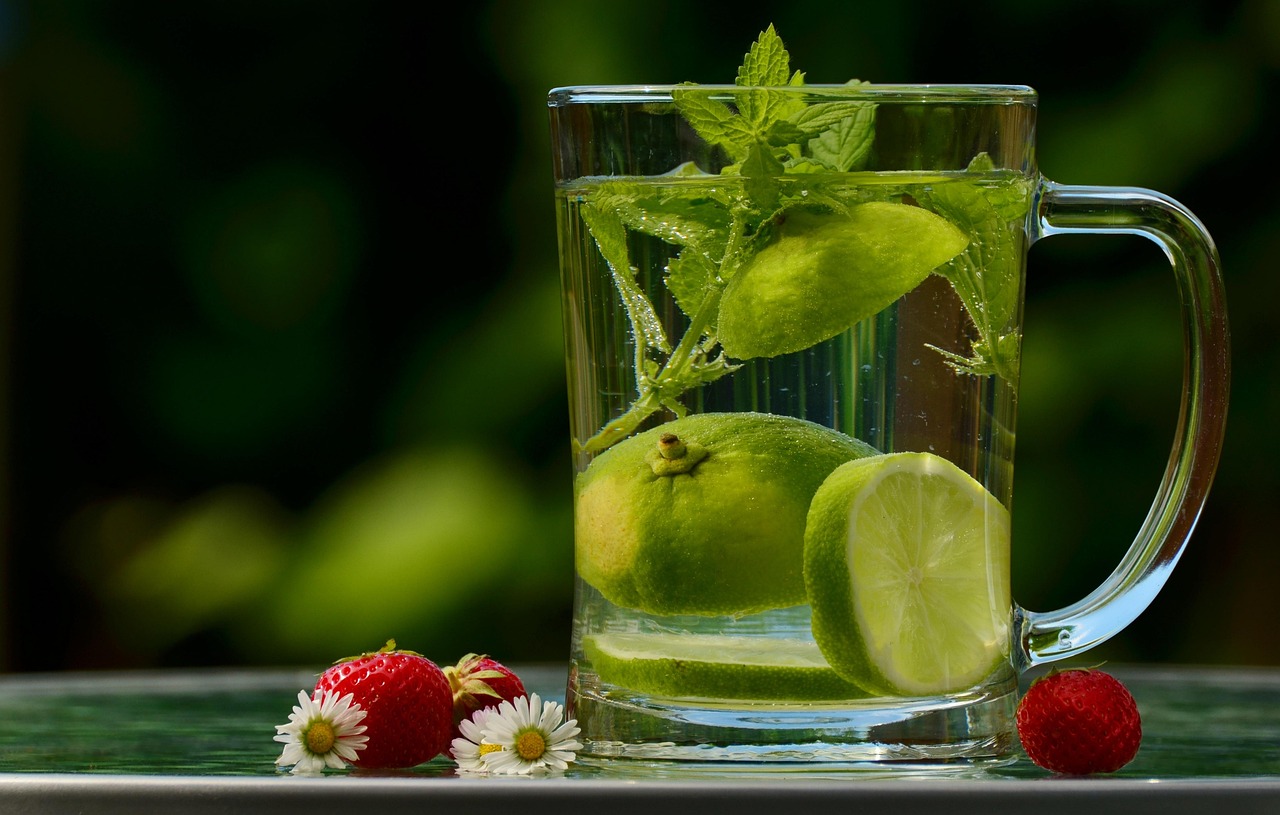
Practical Example: Keep a reusable water bottle with you throughout the day and sip regularly. Aim for at least 8 glasses of water daily, adjusting based on your activity level and climate.
Gentle Movement and Exercise
Physical activity is a powerful stress reliever, but it doesn’t always have to be high-intensity to be effective for relaxation.
- Endorphin Release: Exercise releases endorphins, natural mood elevators and pain relievers.
- Tension Release: Movement helps release physical tension stored in the body due to stress.
- Improved Sleep: Regular physical activity, particularly in the afternoon, can significantly enhance sleep quality.
- Mind-Body Practices: Yoga, Tai Chi, and Qigong combine physical postures, breathing techniques, and meditation, fostering a deep sense of calm and body awareness.
Actionable Takeaway: Incorporate at least 30 minutes of moderate physical activity most days of the week. This could be a brisk walk, cycling, swimming, or a calming yoga session. Even short bursts of movement can make a difference.
Creating Your Personal Relaxation Toolkit
Everyone’s path to relaxation is unique. Building a personalized toolkit ensures you have go-to strategies whenever stress arises.
Identifying Your Relaxation Triggers
What genuinely helps you unwind? What sensory experiences bring you peace?
- Aromatherapy: Scents like lavender, chamomile, and frankincense are known for their calming properties. Use essential oil diffusers or roll-ons.
- Music and Sound: Create playlists of calming instrumental music, nature sounds, or ambient tunes.
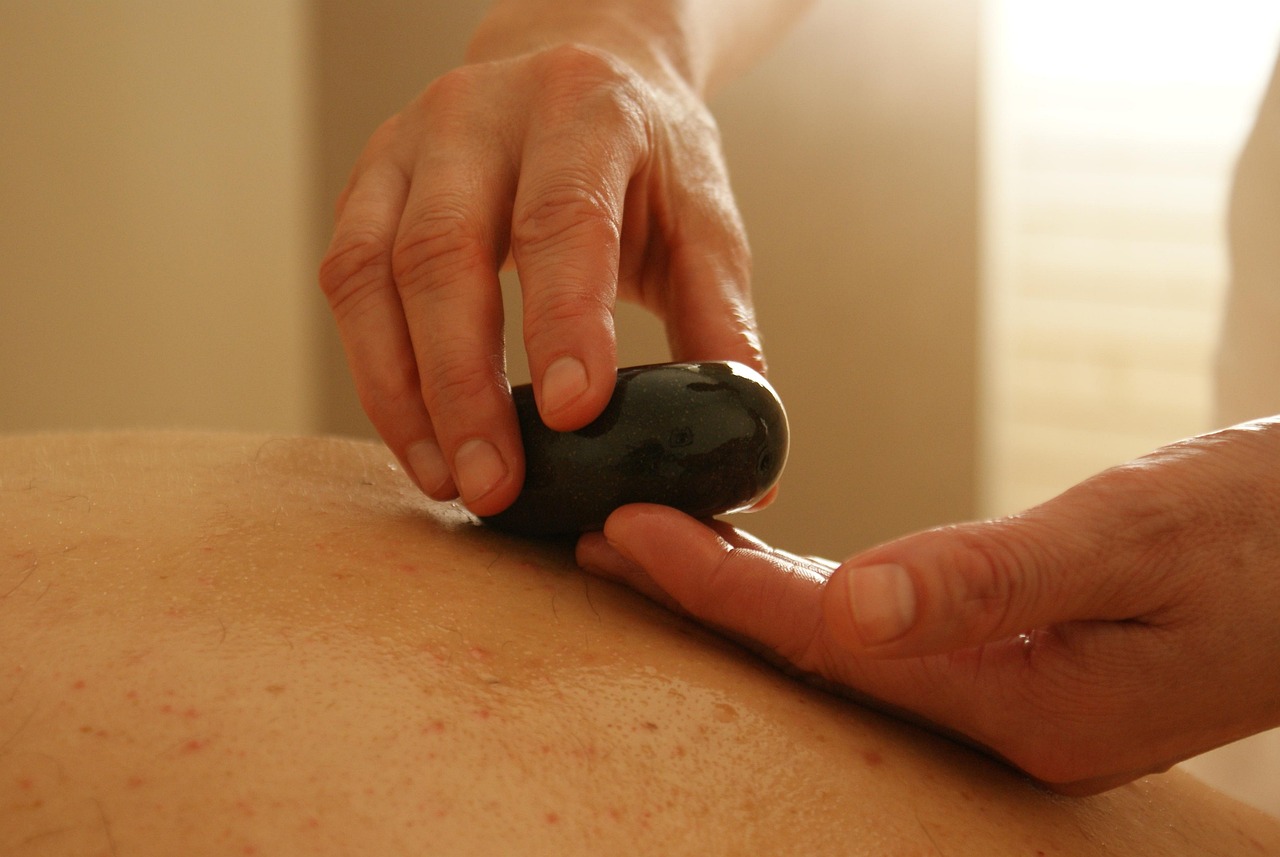
- Warm Baths or Showers: The soothing effect of warm water can relax muscles and quiet the mind. Add Epsom salts for an extra benefit.
- Journaling: Writing down your thoughts and feelings can help process emotions and clear mental clutter.
Practical Example: Take a moment to list 3-5 things that reliably help you feel calmer. Keep these items or activities readily available, creating your custom “stress-relief menu.”
Scheduling “Me Time”
In our busy schedules, relaxation often becomes an afterthought. Treating it as a priority ensures it happens.
- Non-Negotiable Blocks: Just as you schedule work meetings, block out 15-30 minutes for uninterrupted relaxation each day.
- Small Rituals: It doesn’t have to be a grand gesture. A quiet cup of tea, reading a chapter of a book, or a few moments of reflection can make a difference.
Practical Example: Look at your calendar for the coming week and proactively schedule at least three 20-minute “relaxation appointments” with yourself. Protect this time fiercely.
The Importance of Digital Detox
Our constant connection to screens can contribute significantly to mental fatigue and overstimulation.
- Set Boundaries: Designate screen-free times (e.g., during meals, an hour before bed) and screen-free zones in your home.
- Mindful Social Media Use: Be aware of how social media makes you feel. Unfollow accounts that trigger comparison or negativity.
- Benefits: Reduced mental clutter, improved focus, better sleep, and more presence in real-life interactions.
Actionable Takeaway: Challenge yourself to a 30-minute digital detox daily. During this time, engage in an analog activity from your relaxation toolkit, like reading, drawing, or simply sitting in silence.
Conclusion
Relaxation is not a luxury; it is a fundamental human need and a cornerstone of vibrant health and well-being. By understanding its scientific basis, embracing practical techniques, cultivating a lifestyle that supports calm, nourishing our bodies, and creating a personalized toolkit, we can actively counter the pervasive effects of stress. Prioritizing relaxation means investing in your physical health, mental clarity, emotional resilience, and overall happiness. Make the conscious choice today to slow down, breathe deeply, and allow yourself the profound gift of peace. Your mind and body will thank you.